Passover Study
IN REMEMBERANCE OF HIM . . .
Let’s begin in Exodus to understand the Passover.
“And ye shall keep it up until the fourteenth day of the same month: and the whole assembly of the congregation of Israel shall kill it in the evening.” (Exodus 12:6, KJV 1900)
This event would prophecy of the coming Messiah, as the Lamb slain:
“Behold the Lamb of God, which taketh away the sin of the world.”
John 1:29
Just as the lamb in Egypt protected the households from judgment, Jesus became the Lamb whose sacrifice protects those who trust in Him. So Passover is not only about ancient Israel. It is also about redemption through Christ.
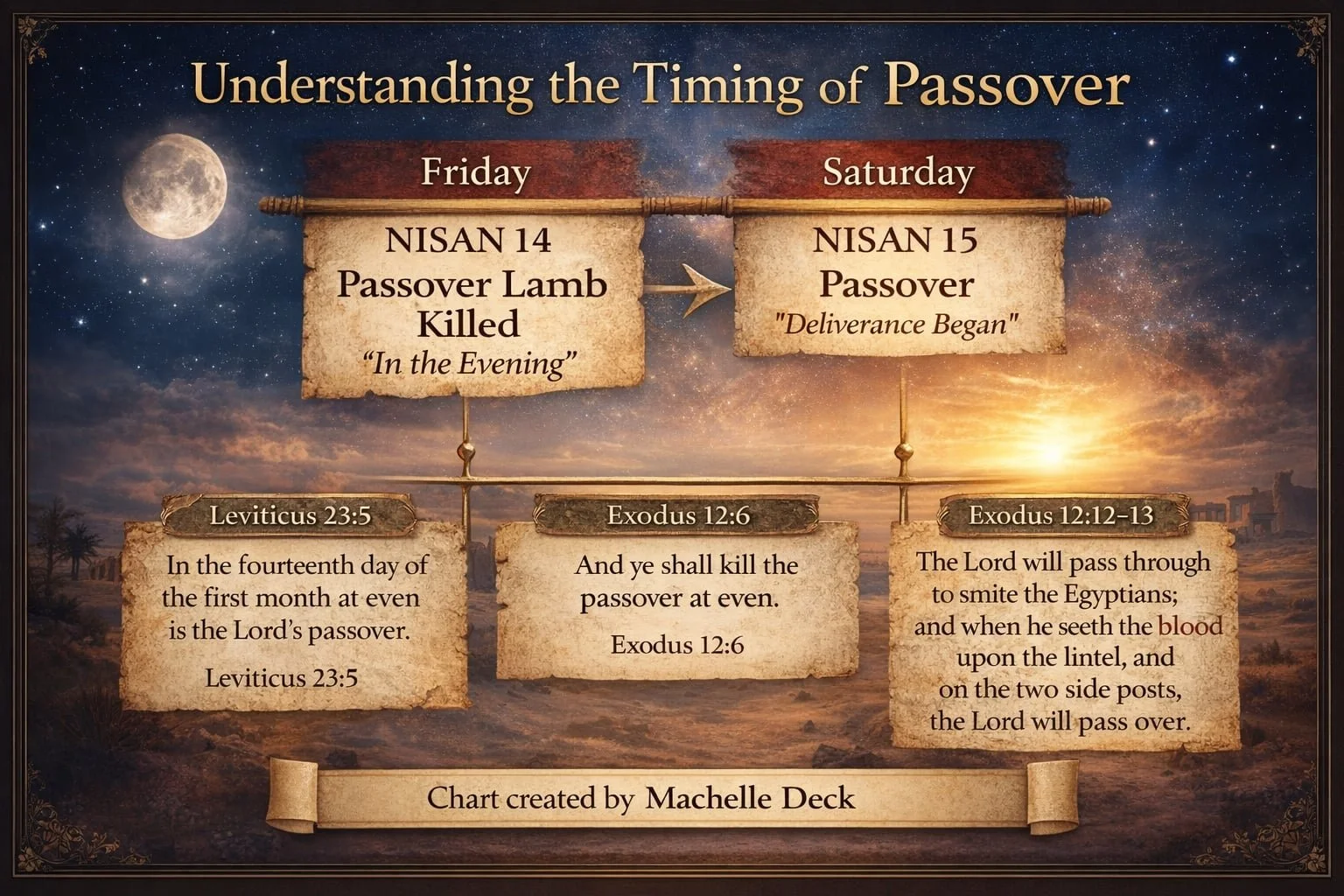
God established the pattern of time from the very beginning. In Genesis, the Lord declared that “the evening and the morning were the first day.” Because of this, the biblical day begins in the evening, not in the morning as our modern calendars often assume. When we apply that pattern to the Passover, it helps clarify the sequence. Scripture says the Passover lamb was connected to the fourteenth day of Nisan, yet the meal itself was eaten in the evening, which was actually the beginning of the fifteenth day according to God’s reckoning of time. This is why the Passover meal began at evening, marking the start of the sacred day when Israel remembered their deliverance and rested under the covering of the lamb. This understanding also explains why Jesus had to be taken down from the cross before evening arrived.
Once the evening came, the Passover Sabbath began, a high holy day when no work could be done. In that moment, Jesus fulfilled the picture of the Passover lamb, becoming the one sacrifice offered once for all. Just as Israel rested under the protection of the lamb on Passover night, believers now rest in the finished work of Christ. The timeline then unfolds clearly, the fourteenth day connected to the sacrifice, the fifteenth day beginning with the Passover rest, and the third day, the sixteenth, when Christ rose from the dead, bringing the promise of life and deliverance to all humanity.
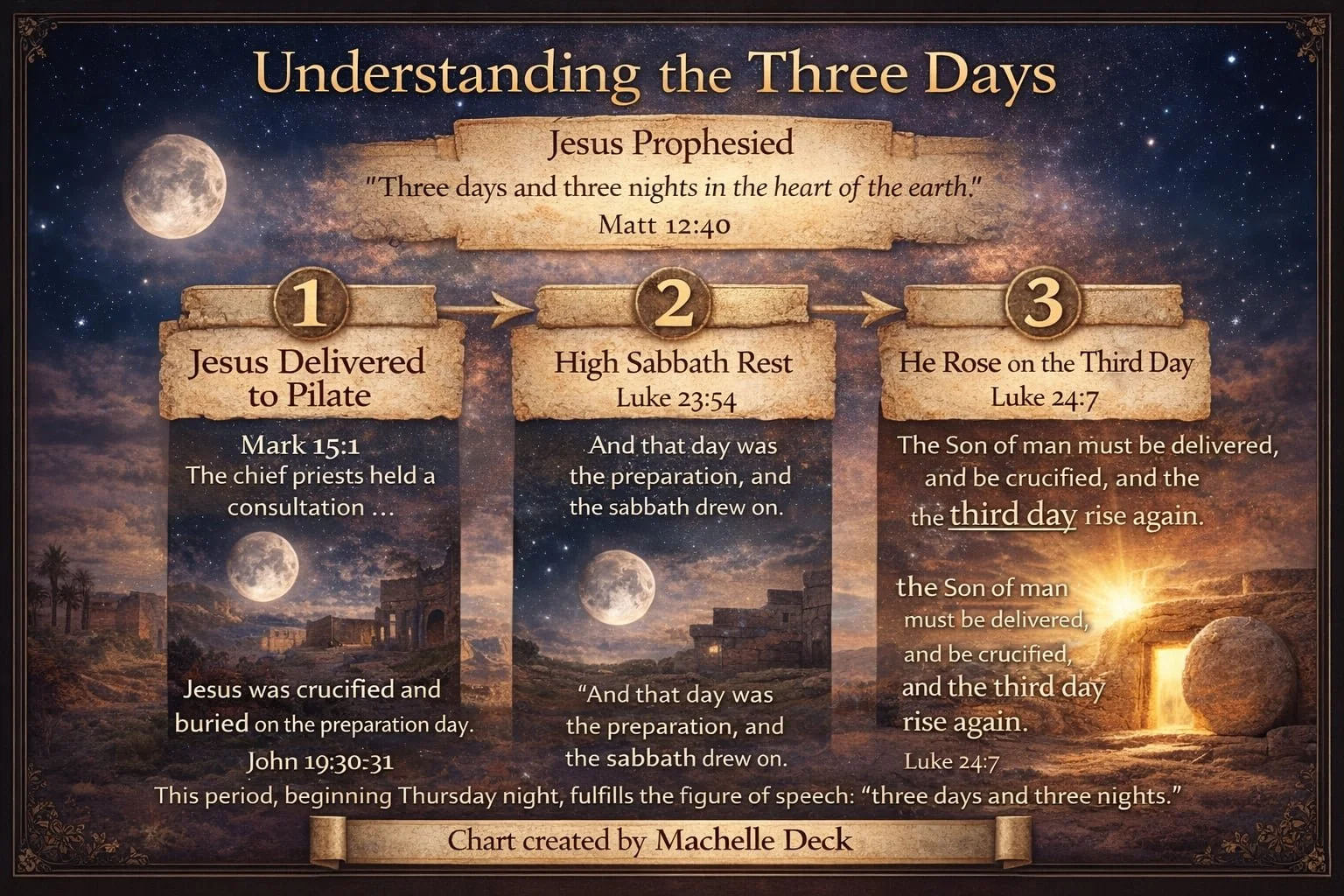
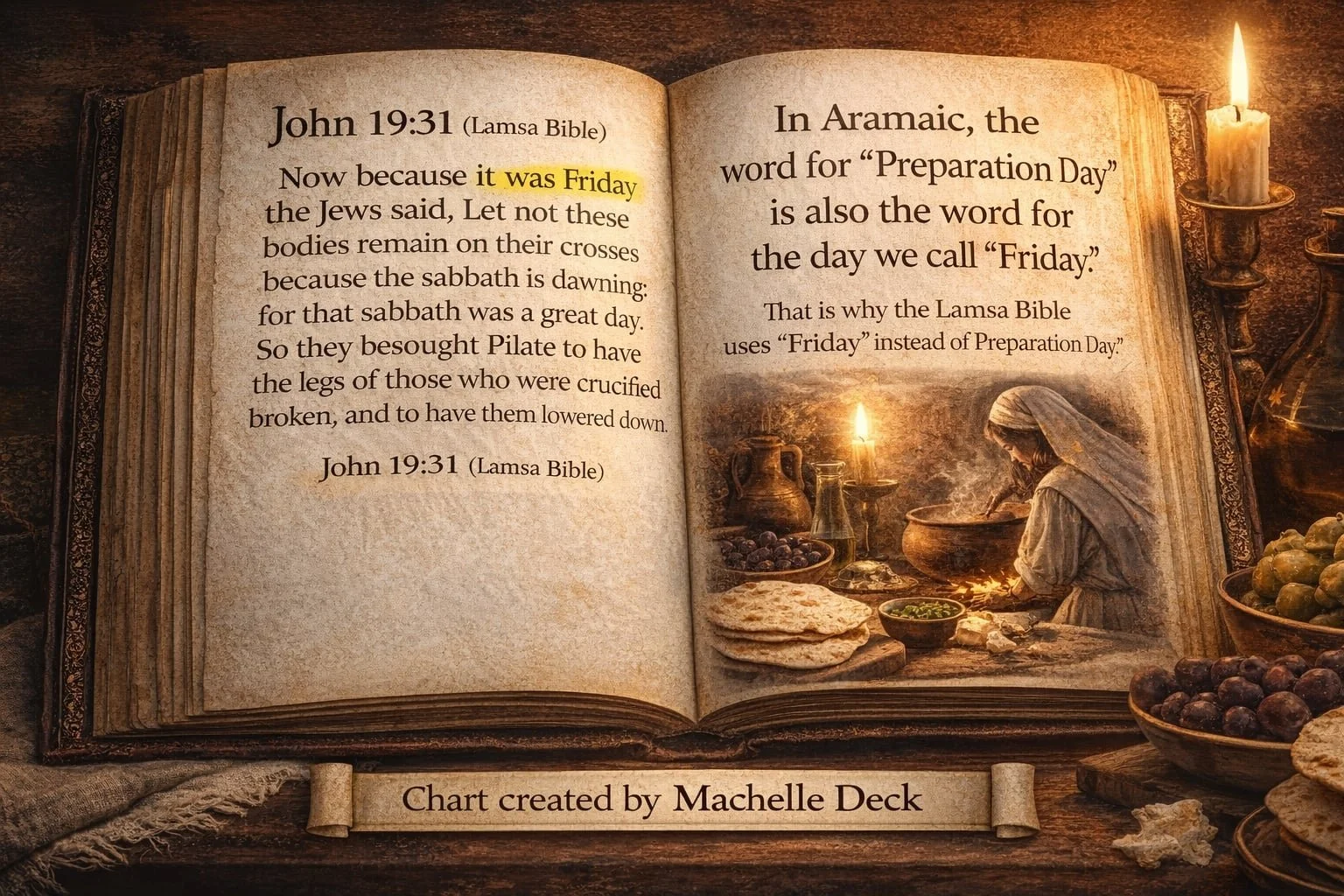
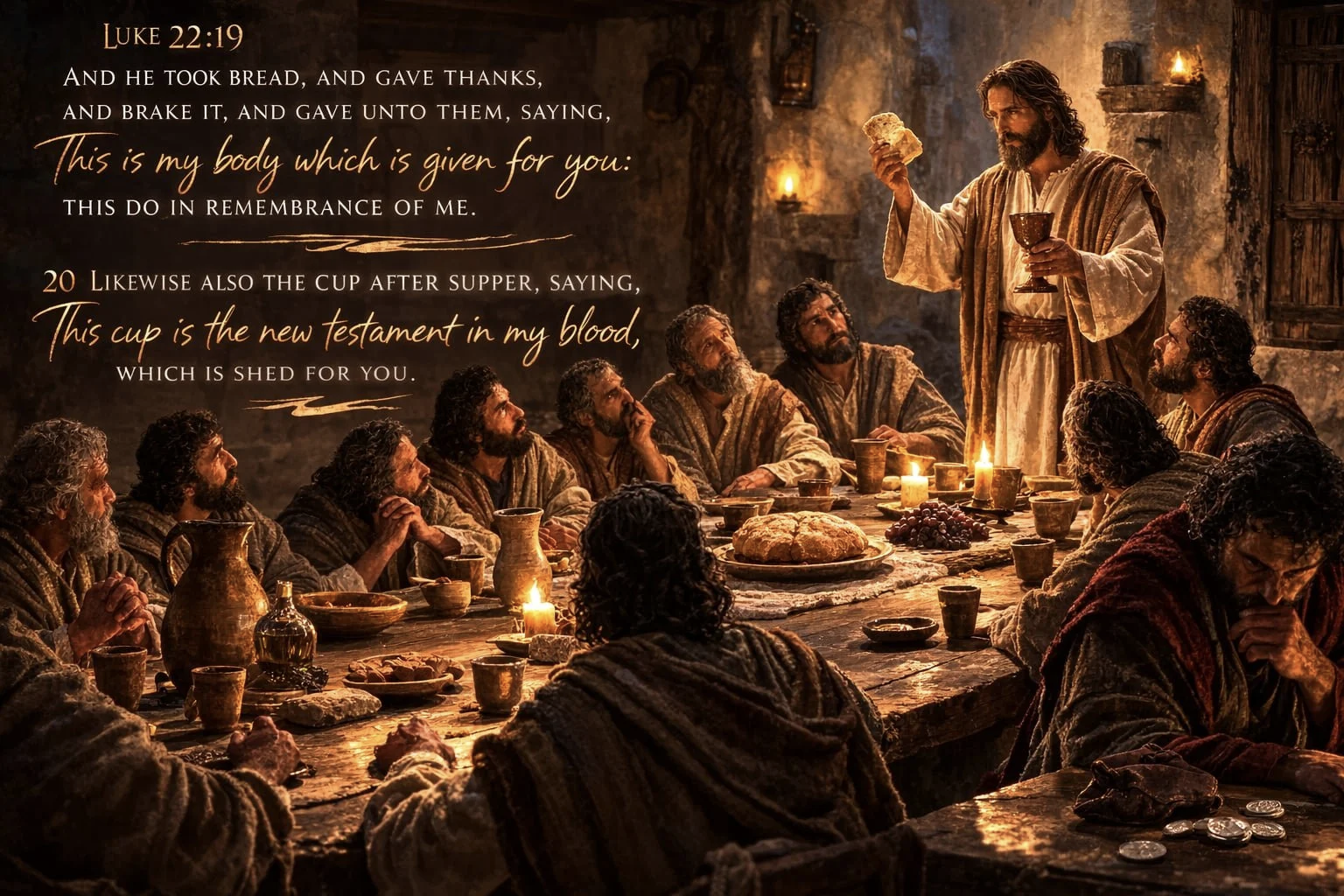
The sequence of these events is important because the timing was not random, it was prophesied thousands of years earlier in the book of Exodus, showing that God’s plan of deliverance was unfolding exactly as He had promised. Jesus wanted His followers to remember this, which is why when He broke the bread and drank the wine He said, “Do this in remembrance of Me.” Yet the remembrance was not meant to be limited to that single moment at the table, it was meant to point back to everything God had done and to keep those works before us as we move forward. When Jesus taught, He often called people to remember the witnesses that God had already placed in history and Scripture. He would say, remember the prophet, remember the Scripture, remember Abraham, remember the event, because His teaching always rested on a witness that had already occurred.
He not only brought the witness of past events, He also brought the witness of the Father, often reminding people of what the Father had already spoken. One of the most powerful witnesses connected to the resurrection is the sixteenth day of Nisan, the day of the wave sheaf offering (see definition in the Strong’s Concordance below) described in Leviticus. The Hebrew word for wave carries the idea of a strong shaking, which mirrors the moment when the stone of the tomb was shaken and rolled away. In this way the resurrection itself was already foreshadowed in the law, showing that on the sixteenth day the promise of life and deliverance would be revealed, just as God had spoken long before.
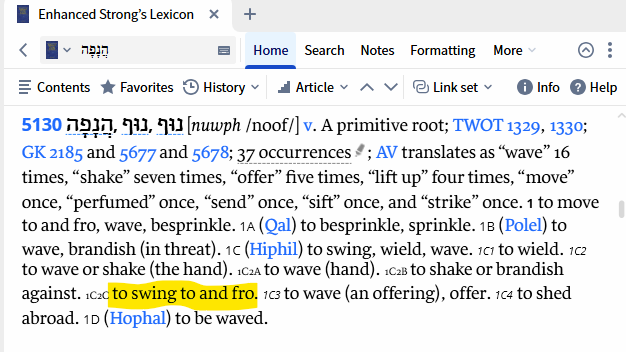
DEFINITION OF THE WORD WAVE
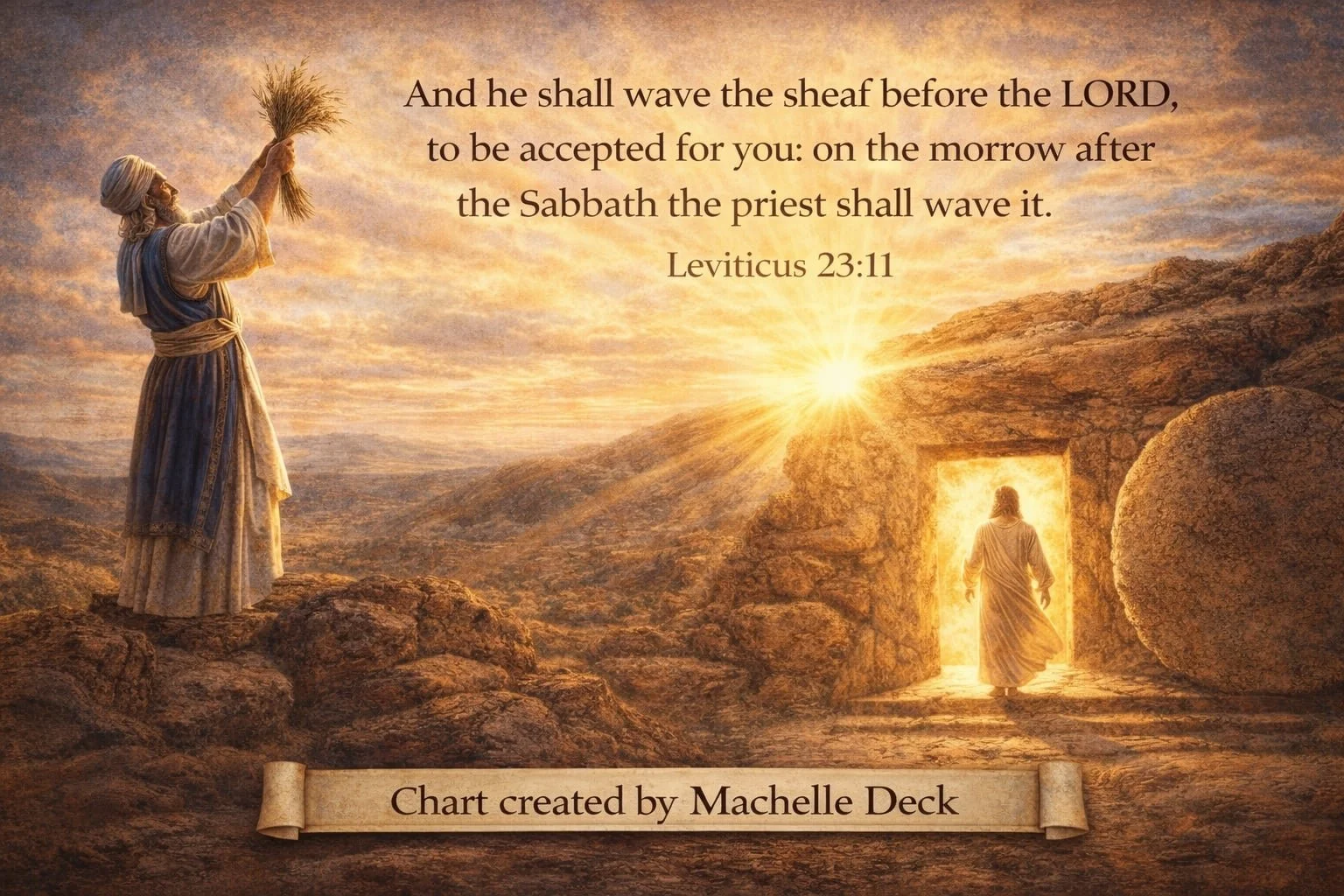
As we look at these scriptures in Leviticus and the imagery given, we can see how God was prophesying of His own resurrection nearly 1,500 years before it happened. This witness must be strongly considered when examining the timing and meaning of the Passover. When Jesus said, “Do this in remembrance of Me,” He was not speaking only of the moment of the Last Supper meal. He was also pointing back to the prophecies written of Him, prophecies written one thousand to fifteen hundred years earlier. Many of these prophecies spoke of His crucifixion, and they were fulfilled in exact detail, as seen in Psalm 22 where every detail of the cross was foretold. Because the crucifixion was prophesied so precisely, it makes sense that His resurrection would also be prophesied, not always in direct statement, but in typology.
This is what we see in the wave sheaf offering described in Leviticus. In that offering we see a prophetic picture of Christ, who became the ultimate offering for all mankind once and for all, just as it is written in Hebrews 10:10. For this reason we close this Passover study with the understanding that every detail, including the time and place of these events, was prophesied roughly 1,500 years beforehand, and those same prophetic patterns also point forward 1,500 to 2,000 years later to the second advent. In the timing of His death and resurrection, Jesus said that He would rebuild His temple in three days. He was speaking not only of Himself, but also of His body, which ultimately pictures the body of Christ. Because of this, Passover is not merely a one time historical event. It is an all encompassing prophecy that reveals both the first coming and points forward to the second advent, showing that God’s plan of redemption was declared from the beginning and fulfilled exactly as He said it would be.
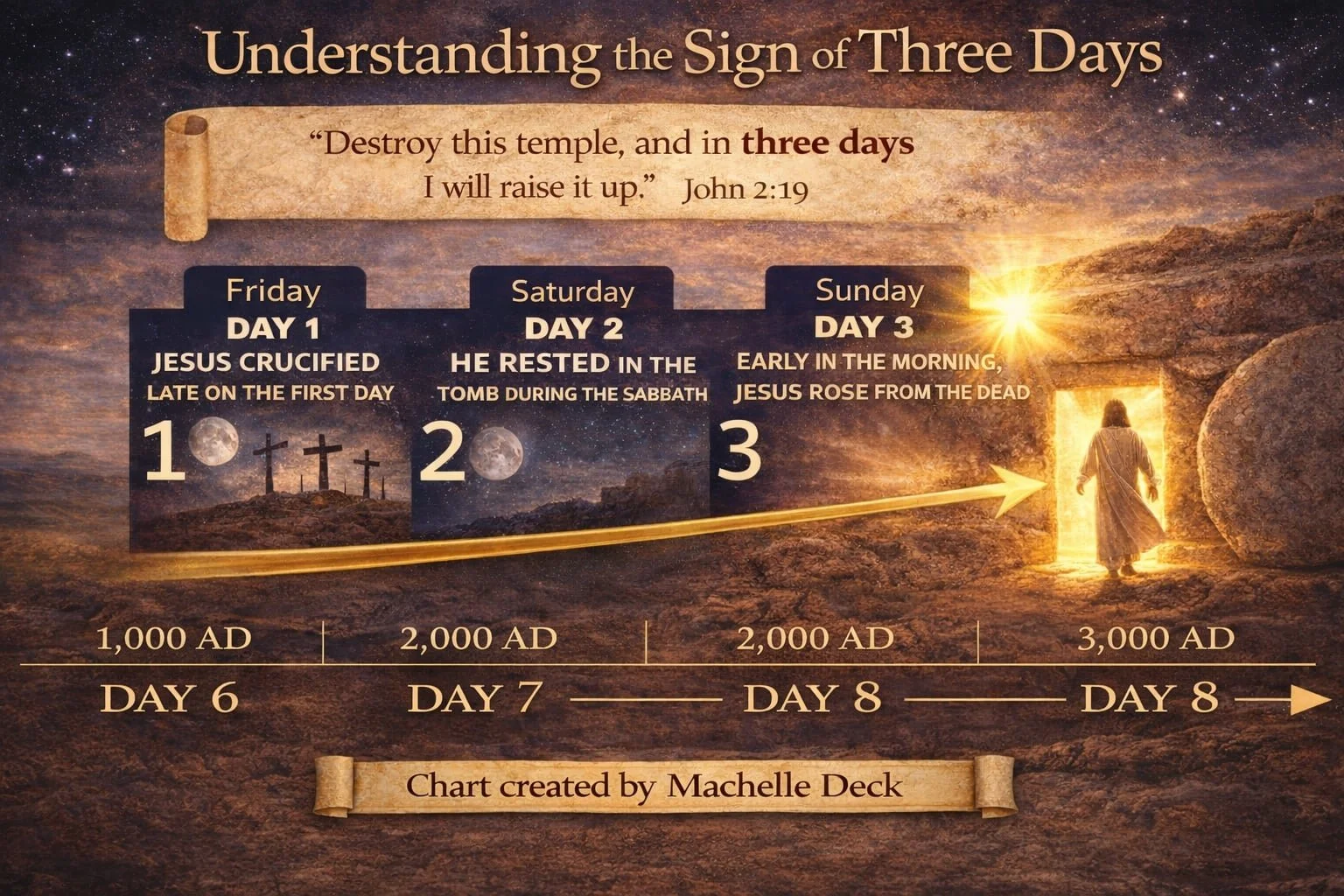

When Jesus broke the bread and shared the wine, it was an intimate moment where He called His followers to remember Him and everything He had done. That remembrance was never meant to be limited to a few moments in the day, but to live continually in our hearts. Every time we break bread and drink, we remember the Lamb who gave Himself for us and the promise of deliverance He fulfilled. And that deliverance is not only from our sins, but it points forward to the day when this whole earth will be delivered from evil at the second advent. When Christ returns, He will establish a righteous government where righteousness will prevail. This is the sign of Jonas that was given in the first century and also to us, the final generation. It was first given in Jonah’s time, three days in the fish, then in Christ’s time, three days in the tomb, and it is given to us today, three 1,000 year days, in the meaning of the Passover, because those three days prophetically point forward to His second advent.