Fig Tree Generation
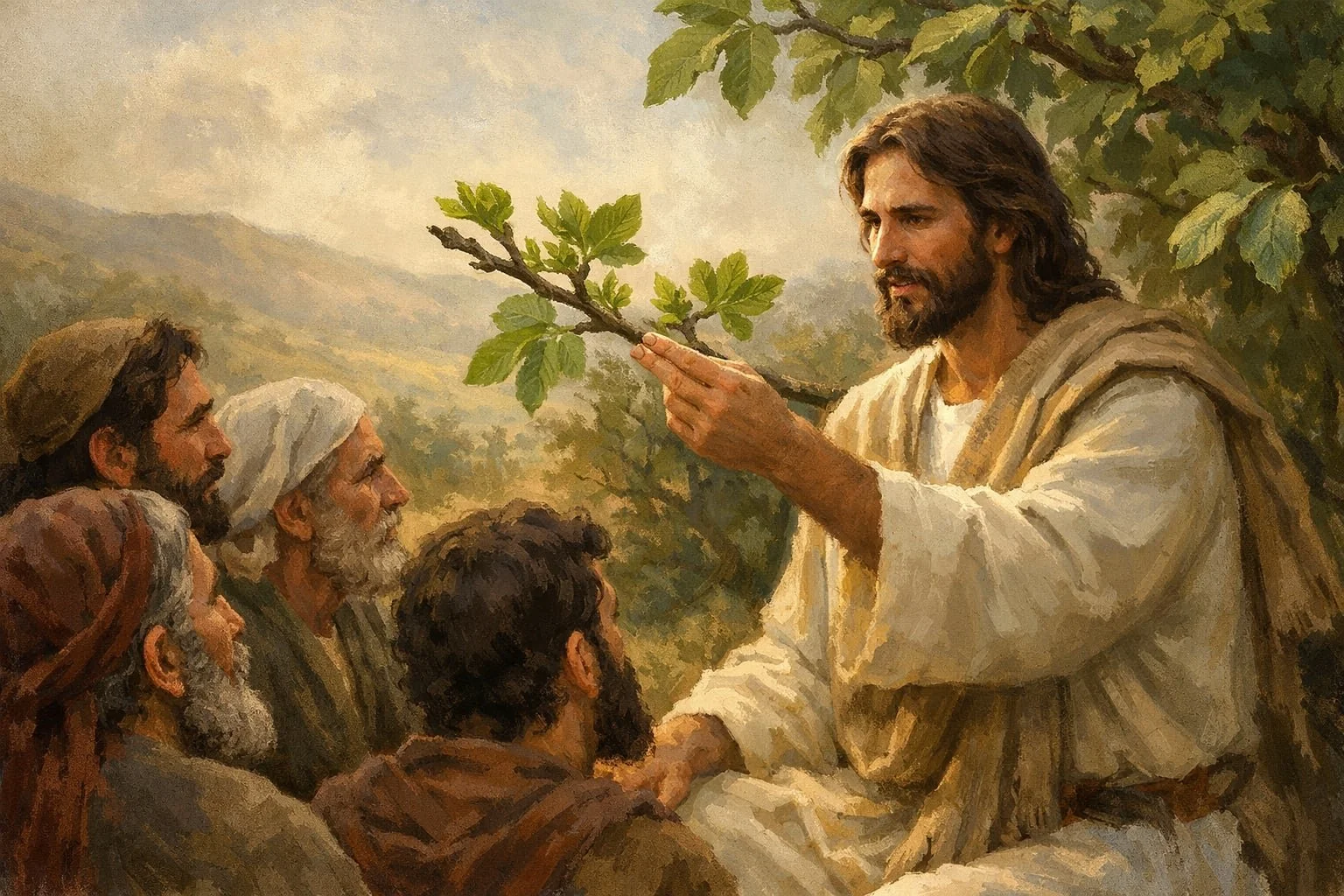
“Now learn a parable of the fig tree; When his branch is yet tender, and putteth forth leaves, ye know that summer is nigh: So likewise ye, when ye shall see all these things, know that it is near, even at the doors. Verily I say unto you, This generation shall not pass, till all these things be fulfilled. ” (Matthew 24:32–34, KJV 1900)

Fruit vs. NO FRUIT
The parable of the fig tree can be explained simply so one can understand by beginning with the idea of fruit and the lack of fruit. When Jesus approached the fig tree and found leaves only but no fruit (Matthew 21:19-20),
“And when he saw a fig tree in the way, he came to it, and found nothing thereon, but leaves only, and said unto it, Let no fruit grow on thee henceforward for ever. And presently the fig tree withered away. And when the disciples saw it, they marvelled, saying, How soon is the fig tree withered away!” (Matthew 21:19–20, KJV 1900)
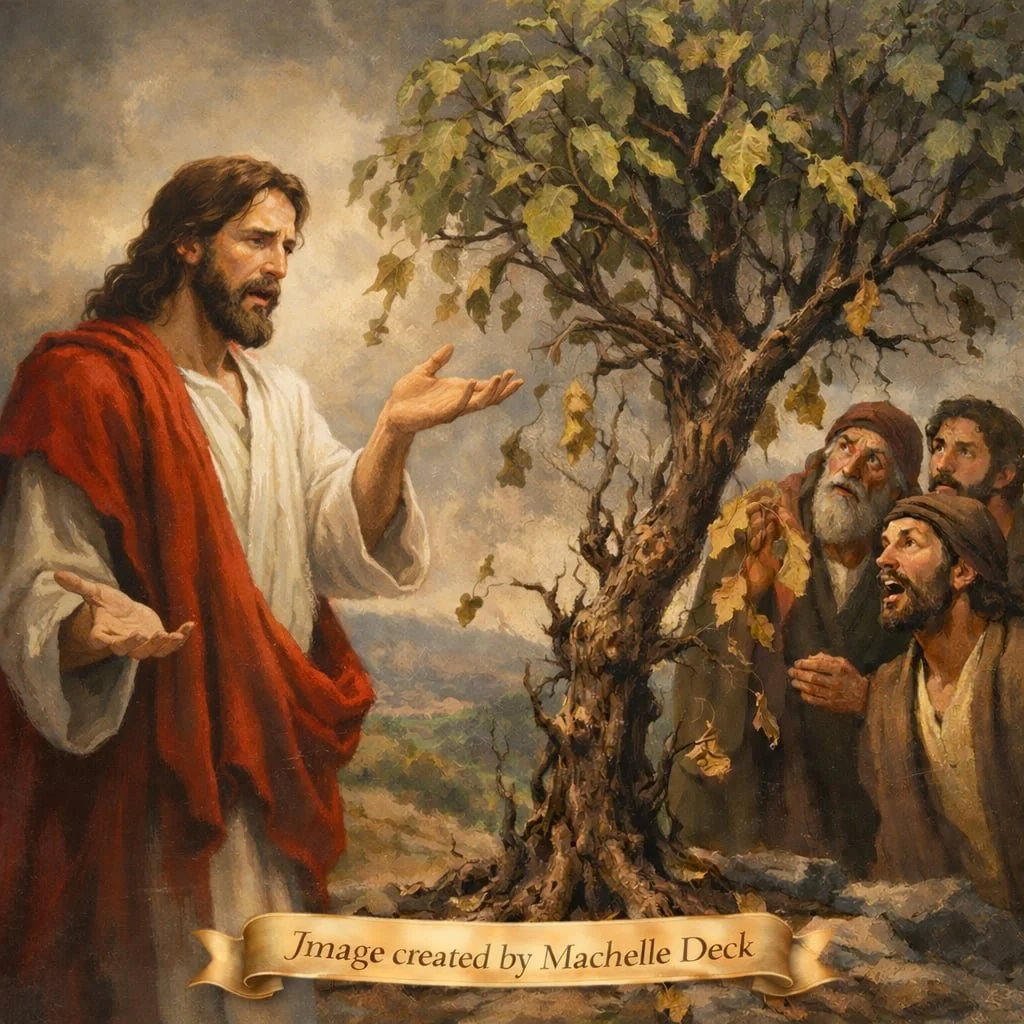
And Jesus cursed the tree because He wants the first-ripe fruit offering. Then, when He sees another fig tree with NO FRUIT, but leaves only, He tells the parable of the “fig tree NATION” in Matthew 24:32-34 using the imagery of tree growth by saying, “and putteth forth leaves.” This is the shooting forth of a whole nation of people. Just as leaves “shoot forth” from a tree, so do tribes, nations or people shoot forth and become a nation. See the Strong’s definition of “leaves” as it’s primary definition is a tribe/nation/people.
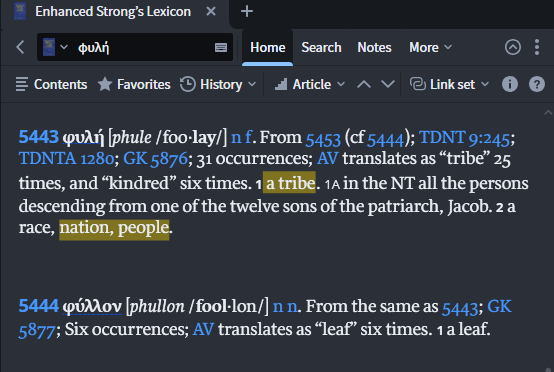
This becomes a picture of a nation that appears alive outwardly, but does not produce fruit inwardly, as they do not know Jesus. God already warned about this condition of lack of fruit offering in the old testament, specifically with regards to the nation of Israel. We could go back as far as Cain bringing forth a weed called Zawan in the Greek. It is a poisonous weed that looks like wheat.
“And in process of time it came to pass, that Cain brought of the fruit of the ground an offering unto the LORD.” (Genesis 4:3, KJV 1900)
We are told in Haggai 2:19 that He is inspecting the nation of Israel for fruit, but didn’t even find the seed in the ground to produce the tree, which would produce the fruit He requires.
“Is the seed yet in the barn? Yea, as yet the vine, and the fig tree, and the pomegranate, and the olive tree, hath not brought forth: From this day will I bless you.” (Haggai 2:19, KJV 1900)
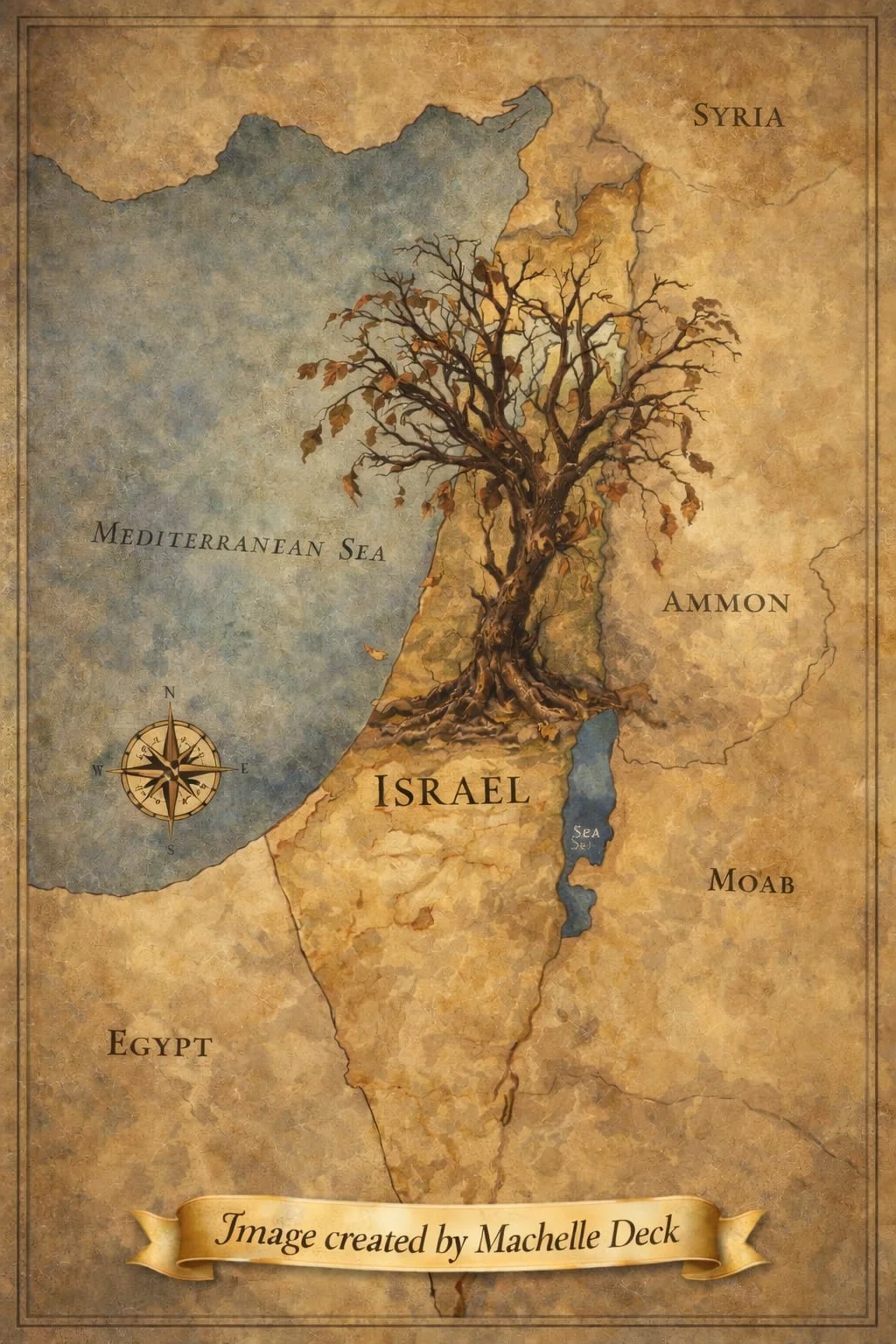
Jeremiah 8:13 declares there would be no grapes on the vine and no figs on the fig tree, showing idolatry from Israel and bad fruit.
“I will surely consume them, saith the LORD: there shall be no grapes on the vine, nor figs on the fig tree, and the leaf shall fade; and the things that I have given them shall pass away from them.” (Jeremiah 8:13, KJV 1900)
Hosea 9:10 remembers a time when Israel was like first ripe figs, but the people later separated themselves from God through idolatry.
“I found Israel like grapes in the wilderness; I saw your fathers as the firstripe in the fig tree at her first time: But they went to Baal-peor, and separated themselves unto that shame; And their abominations were according as they loved.” (Hosea 9:10, KJV 1900)
He was warning them to produce the first-ripe fruits even back then, even as far back as the Garden of Eden. So just because a nation uses the name “Israel” doesn’t mean they are fruit producers for Jesus. It must be more than name only. Cain’s seed-line copied many of the names of Adam’s seed-line. This shows that having the name of “Israel” is not enough, you must also have the FRUITS required by God that produce salvation instead of destruction.
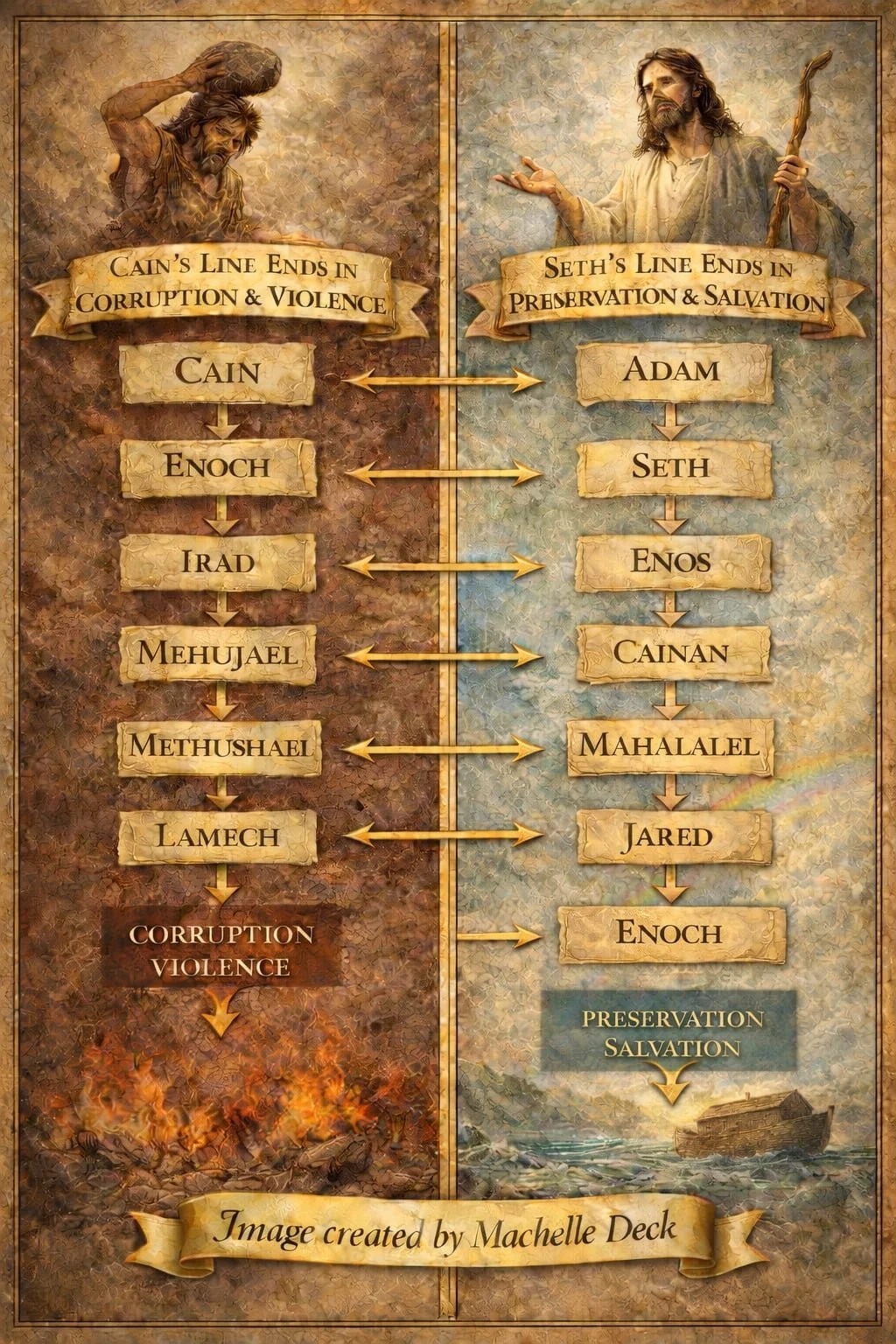
There were two “Enochs”, one from Cain and one from Adam.
The parable of the fig tree therefore becomes a lesson about the last generation and the fruits they produce. A generation is a span of about seventy to eighty years according to Psalm 90:10,
“The days of our years are threescore years and ten; And if by reason of strength they be fourscore years, Yet is their strength labour and sorrow; For it is soon cut off, and we fly away.” (Psalm 90:10, KJV 1900)
A end-time nation will put forth leaves, yet still remain fruitless before God. Jeremiah 24 brings in the idea that there are both good fruit and bad fruit being produced, as they are being presented (not planted) in baskets, by describing two baskets of figs, one good and one evil, but a bad tree cannot produce good fruit. As it is written,
“Even so every good tree bringeth forth good fruit; but a corrupt tree bringeth forth evil fruit. A good tree cannot bring forth evil fruit, neither can a corrupt tree bring forth good fruit. Every tree that bringeth not forth good fruit is hewn down, and cast into the fire.” (Matthew 7:17–19, KJV 1900)
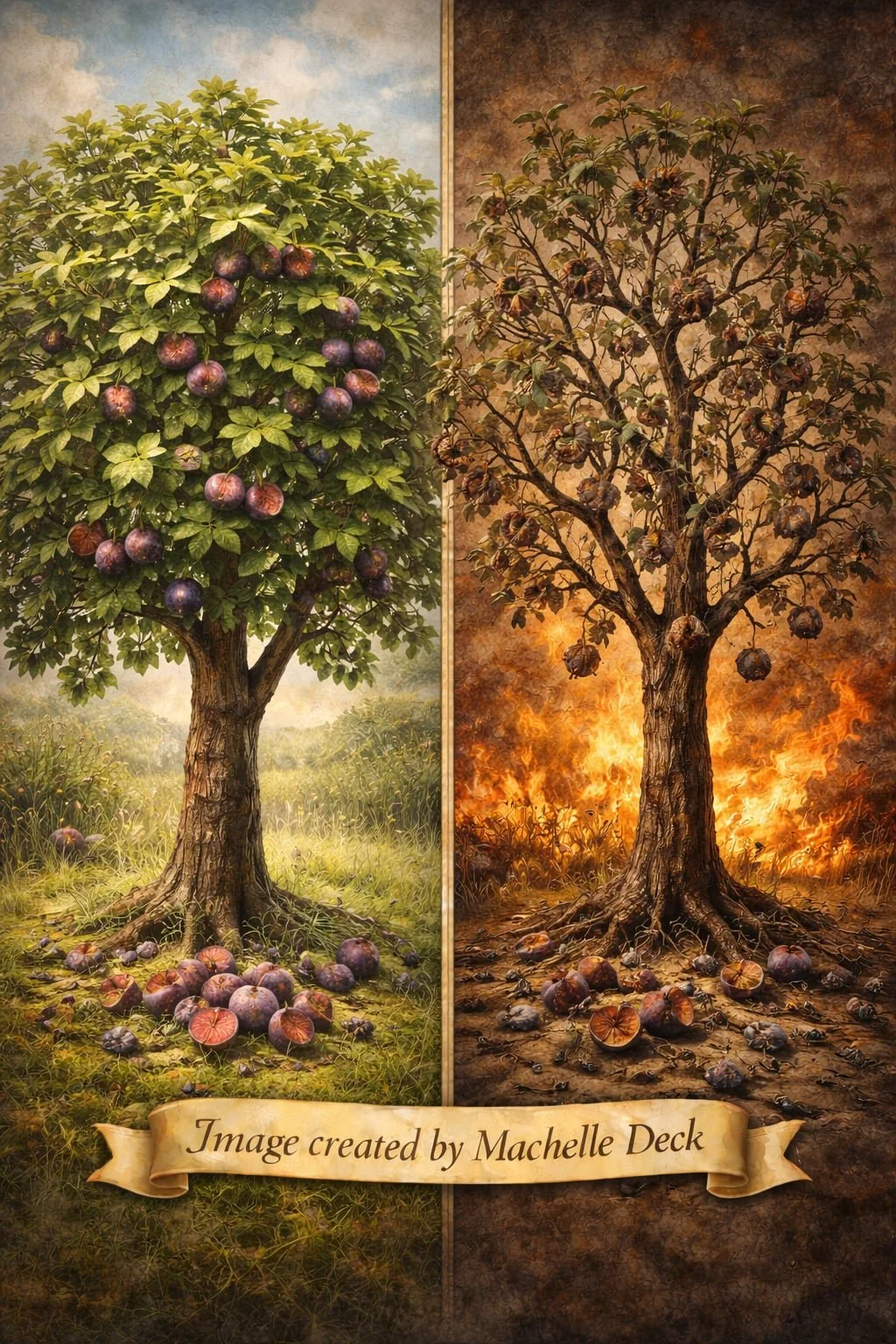
God desires the good figs, just as He required first-ripe offerings in the Old Testament, such as in Exodus 34:26 and Nehemiah 10:35.
“The first of the firstfruits of thy land thou shalt bring unto the house of the LORD thy God. Thou shalt not seethe a kid in his mother’s milk.” (Exodus 34:26, KJV 1900)
“And to bring the firstfruits of our ground, and the firstfruits of all fruit of all trees, year by year, unto the house of the LORD:” (Nehemiah 10:35, KJV 1900)
These are the same first-fruits that are placed before the temple of the Lord in Jeremiah 24.
“The LORD shewed me, and, behold, two baskets of figs were set before the temple of the LORD, after that Nebuchadrezzar king of Babylon had carried away captive Jeconiah the son of Jehoiakim king of Judah, and the princes of Judah, with the carpenters and smiths, from Jerusalem, and had brought them to Babylon.” (Jeremiah 24:1, KJV 1900)
King Nebuchadnezzar was a type of the antichrist/satan. He will pretend to be the Christ, and people will bring these two baskets of figs as offerings to him at that time, the 6th trump. That is what Jeremiah 24 is picturing. Just like it says in Daniel 9:27 that the “sacrifice and the oblation” will cease. This is because it will go to the false Christ instead.
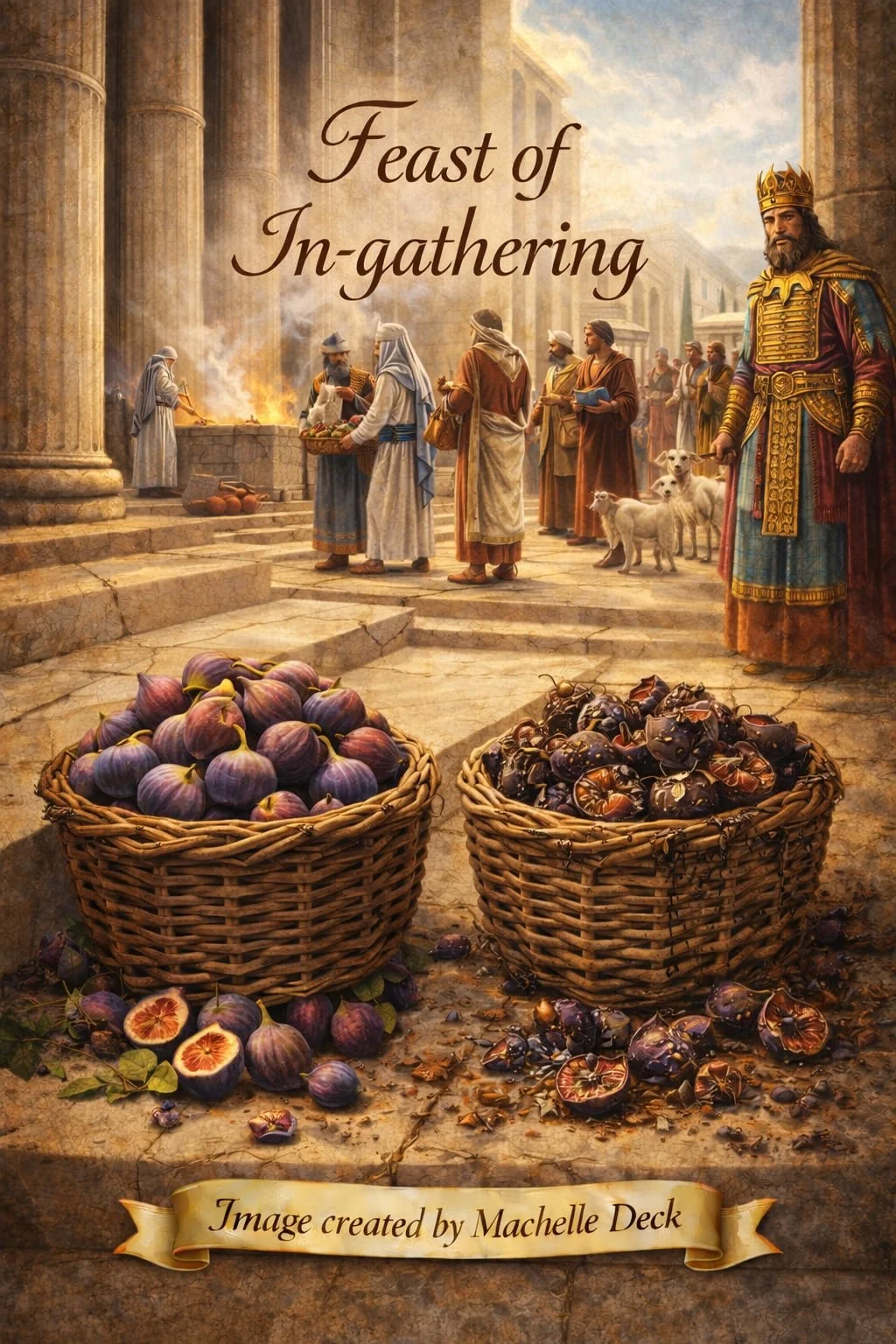
This means that while this nation may fail to produce fruit, God can still raise up a people who do bear fruit for Him. In Ezekiel 17, it describes this idea symbolically when God plants a shoot that will grow and produce good fruit in another far away land, not the land of Israel where they were originally from.
“He cropped off the top of his young twigs, and carried it into a land of traffick; he set it in a city of merchants. He took also of the seed of the land, and planted it in a fruitful field; he placed it by great waters, and set it as a willow tree.” (Ezekiel 17:4–5, KJV 1900)
— — —
“It was planted in a good soil by great waters, that it might bring forth branches, and that it might bear fruit, that it might be a goodly vine.” (Ezekiel 17:8, KJV 1900)
Even the KING’S DAUGHTERS (true Judah) . . .
“Then Ishmael carried away captive all the residue of the people that were in Mizpah, even the king’s daughters, and all the people that remained in Mizpah, whom Nebuzar-adan the captain of the guard had committed to Gedaliah the son of Ahikam: and Ishmael the son of Nethaniah carried them away captive, and departed to go over to the Ammonites.” (Jeremiah 41:10, KJV 1900)
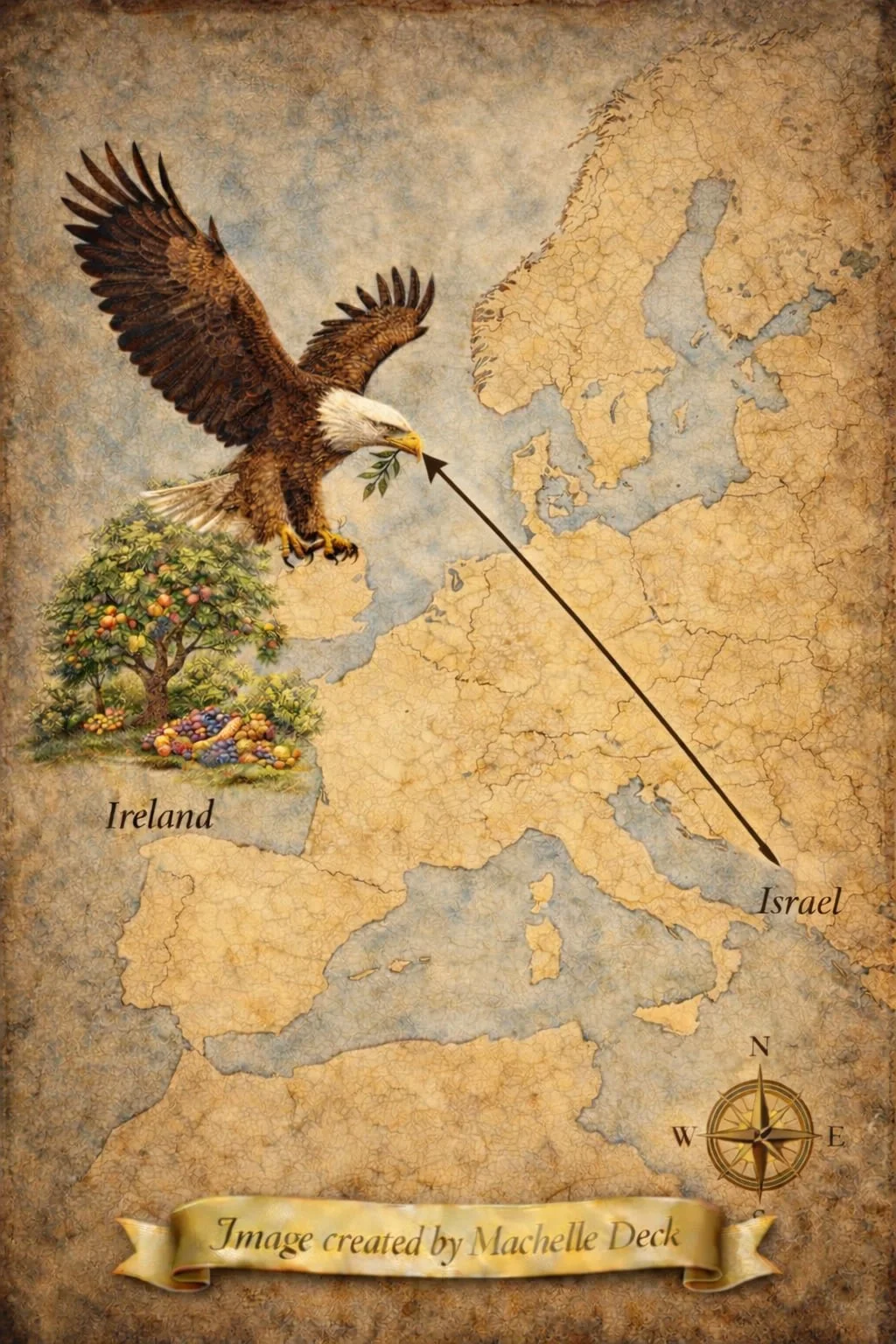
Therefore the lesson becomes clear, a bad tree cannot produce good fruit, yet God still requires His first-fruits at His return. Even if one fig tree proves fruitless, which is what Jesus is saying would happen, it does not prevent God from bringing forth good figs elsewhere, a people prepared to bear fruit for Him. Therefore, in Jeremiah 24 when the false Christ is here, he will have two baskets of fruit brought before him at the “temple”, mimicking the second advent.
At the real second advent God will gather all the GOOD fruit to Him, which is symbolic of the believers of Christ. In the New Testament, believers themselves are described as a kind of first-fruits, as it is written in James 1:18.
“Of his own will begat he us with the word of truth, that we should be a kind of firstfruits of his creatures.” (James 1:18, KJV 1900)
At His second advent He will require the first-ripe fruits.
Revelation 14:4 (KJV) “These were redeemed from among men, being the firstfruits unto God and to the Lamb.”
Notice they are not located in one land, by one name such as “Israel”. It’s not the name that counts, it’s the heart and fruit produced by it.